
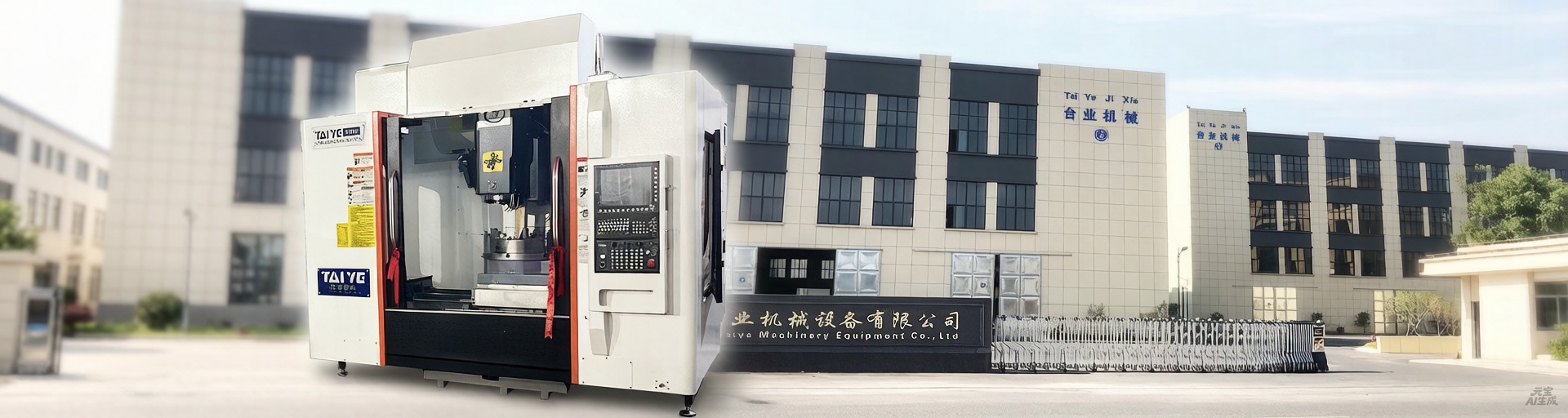
How to Master Aluminum Extrusion Die’s Complete Manufacturing Process?
Aluminum extrusion die makers are the backbone of the aluminum processing industry, as they are responsible for producing high-quality aluminum extrusion dies that directly determine the precision, quality, and efficiency of aluminum extrusion profiles production. For aluminum extrusion die makers, mastering the complete manufacturing process of aluminum extrusion die is essential to meet the diverse needs of customers and gain a competitive edge in the market. The full set of manufacturing and processing processes of aluminum extrusion die is a complex and rigorous system that requires professional technical expertise, advanced cnc machines, and strict quality control measures at every step to ensure that the final aluminum extrusion die can withstand the high temperature, high pressure, and friction during the extrusion process, and stably produce high-standard aluminum extrusion profiles.
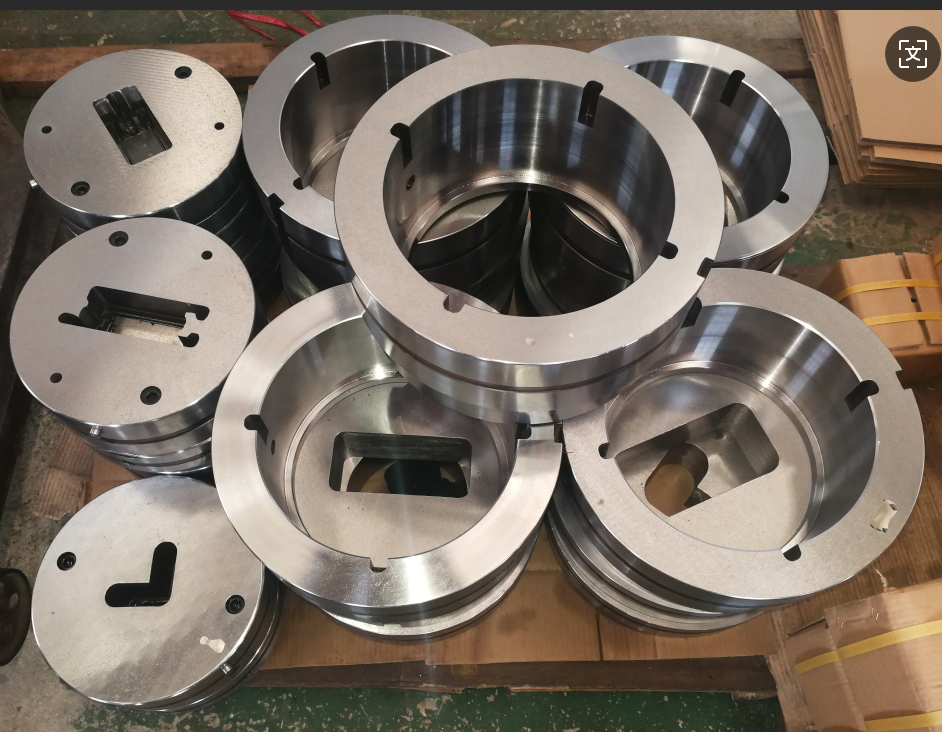
The manufacturing process of aluminum extrusion die starts with a critical stage: design and material selection, which lays the foundation for the overall performance and service life of the die. Aluminum extrusion die makers first conduct in-depth communication with customers to fully understand the specific requirements of the aluminum extrusion profiles to be produced, including the cross-sectional shape, size, wall thickness, surface finish, and mechanical properties. Based on these requirements, aluminum extrusion die makers use professional CAD/CAM design software to carry out precise die structure design. For different types of aluminum extrusion profiles, the die structure design varies: hollow aluminum extrusion profiles require split flow molds with reasonable split flow holes and welding chambers to ensure uniform material flow and firm welding of the profile walls, while solid aluminum extrusion profiles adopt flat molds with simple structure and stable performance. In terms of material selection, aluminum extrusion die makers always choose high-quality hot-work die steel, among which H13 die steel is the most commonly used due to its excellent heat resistance, wear resistance, toughness, and high-temperature strength. Before formal processing, aluminum extrusion die makers also conduct strict inspection on the raw materials to avoid defects such as cracks, inclusions, and uneven hardness, which may affect the quality of the aluminum extrusion die and the subsequent production of aluminum extrusion profiles. This initial stage fully reflects the professional capabilities of aluminum extrusion die makers and the importance of advanced design concepts in the manufacturing process of aluminum extrusion die.
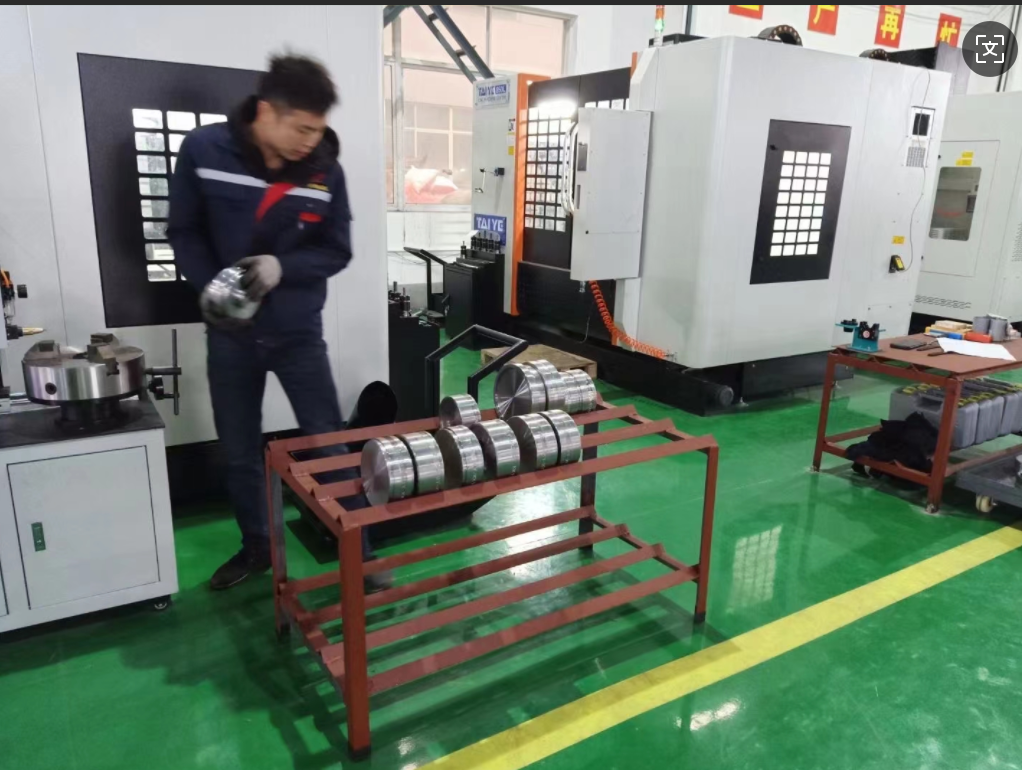
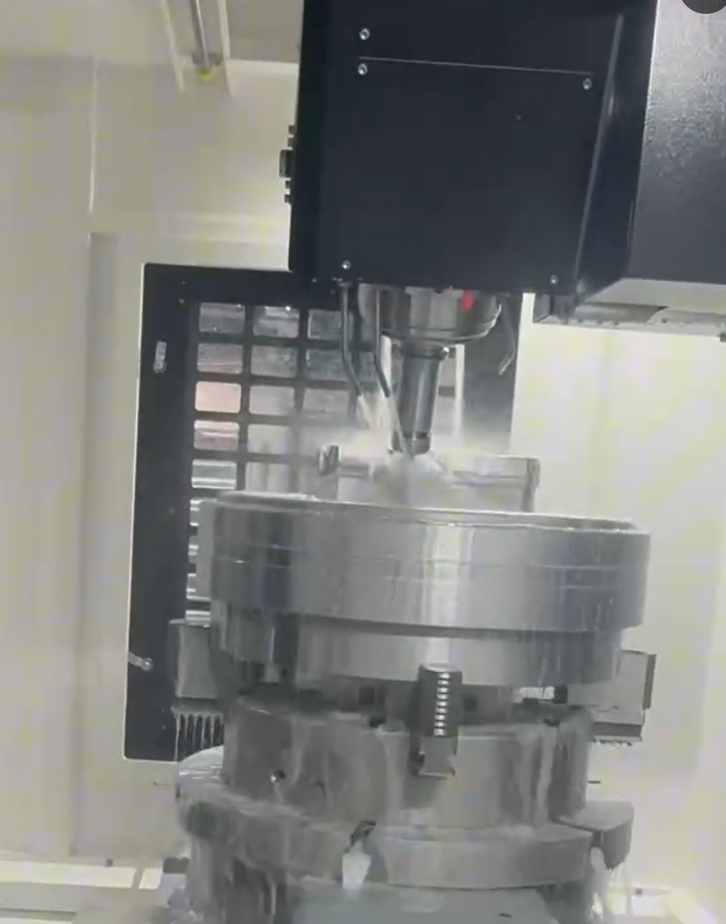
After the design and material selection are completed, the aluminum extrusion die enters the rough machining stage, which is mainly completed by advanced cnc machines. Cnc machines are indispensable equipment in the manufacturing process of aluminum extrusion die, as they can achieve high-precision, high-efficiency, and stable cutting processing, which is difficult to achieve by traditional machining methods. Aluminum extrusion die makers select appropriate cnc machines according to the size and structure of the aluminum extrusion die, including cnc milling machines, cnc lathes, and cnc boring machines. In the rough machining process, cnc machines first perform surface rough turning and milling on the die blank to remove the excess material on the surface of the blank, and then process the key structures of the aluminum extrusion die, such as the overall contour, split flow holes, welding chambers, and positioning holes. The precision of rough machining directly affects the subsequent precision machining effect, so aluminum extrusion die makers strictly control the machining parameters of cnc machines, such as cutting speed, feed rate, and cutting depth, to ensure that the basic size and shape of the aluminum extrusion die meet the design requirements. At the same time, during the rough machining process, aluminum extrusion die makers also conduct real-time inspection to timely find and correct machining errors, avoiding the waste of raw materials and the delay of the production cycle. This stage fully demonstrates the important role of cnc machines in improving the machining efficiency and quality of aluminum extrusion die.
Heat treatment is a key link in the manufacturing process of aluminum extrusion die, which directly determines the hardness, toughness, wear resistance, and service life of the aluminum extrusion die. After rough machining, the aluminum extrusion die blank has internal stress and uneven tissue structure, which cannot meet the performance requirements of the extrusion process. Therefore, aluminum extrusion die makers carry out strict heat treatment on the rough-machined aluminum extrusion die, which mainly includes quenching and tempering processes. Quenching is to heat the aluminum extrusion die to a certain high temperature (usually 1020-1050℃) and keep it warm for a period of time, then quickly cool it in a quenching medium (such as oil or water) to improve the hardness and wear resistance of the die. Tempering is to reheat the quenched aluminum extrusion die to a lower temperature (usually 580-620℃) and keep it warm, then cool it slowly, which can eliminate the internal stress generated during quenching, improve the toughness of the die, and avoid the die from cracking during the extrusion process. After heat treatment, the aluminum extrusion die has excellent comprehensive mechanical properties, which can effectively resist the high temperature, high pressure, and friction during the production of aluminum extrusion profiles. Aluminum extrusion die makers strictly control the temperature, holding time, and cooling speed during the heat treatment process to ensure the stability of the die performance. This link is a key manifestation of the professional technology of aluminum extrusion die makers, as it requires rich experience and precise control capabilities.
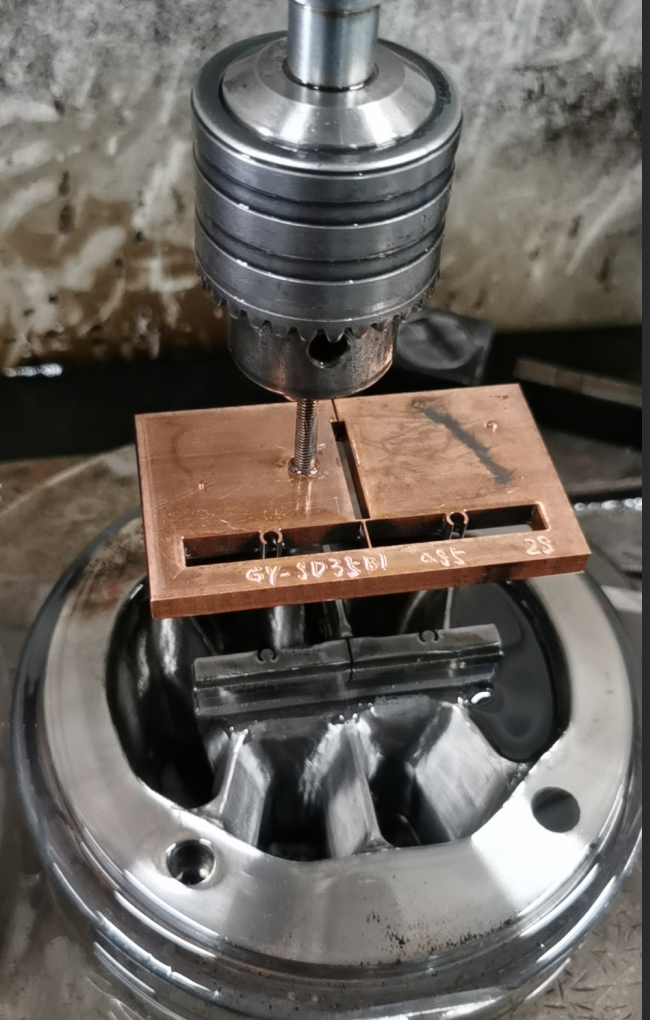
After heat treatment, the aluminum extrusion die enters the precision machining stage, which is another key link to ensure the quality of the aluminum extrusion die and the precision of aluminum extrusion profiles. This stage still relies on advanced cnc machines, combined with wire EDM (electrical discharge machining) and EDM (electrical discharge machining) equipment, to process the key parts of the aluminum extrusion die with high precision. The working belt of the aluminum extrusion die is the core part that directly contacts the aluminum material and determines the surface finish and dimensional accuracy of the aluminum extrusion profiles. Therefore, aluminum extrusion die makers use cnc machines and wire EDM equipment to process the working belt with high precision, ensuring that the surface finish of the working belt reaches Ra0.2-Ra0.4 and the dimensional accuracy is within ±0.005mm. For the complex contours and small holes of the aluminum extrusion die that are difficult to process by traditional cnc machines, EDM equipment is used to achieve precise machining, which can effectively ensure the shape and size accuracy of the die. During the precision machining process, aluminum extrusion die makers use professional measuring tools, such as coordinate measuring machines, to conduct real-time inspection of the machining dimensions, ensuring that every parameter of the aluminum extrusion die meets the design requirements. The precision machining stage fully combines the advanced performance of cnc machines and the professional technology of aluminum extrusion die makers, laying a solid foundation for the production of high-quality aluminum extrusion profiles.
After precision machining, the aluminum extrusion die needs to go through surface treatment and trial run to ensure its practical performance and stability. Surface treatment is mainly to improve the wear resistance, corrosion resistance, and lubricity of the aluminum extrusion die, thereby extending its service life and improving the quality of aluminum extrusion profiles. Aluminum extrusion die makers usually carry out two main surface treatment processes: polishing and nitriding. Polishing is to polish the working belt and surface of the aluminum extrusion die to remove burrs, scratches, and other defects, making the surface smooth and reducing the friction between the die and the aluminum material during extrusion. Nitriding is to place the aluminum extrusion die in a nitriding furnace, heat it to a certain temperature under the action of a nitriding medium, so that the nitrogen atoms penetrate into the surface of the die to form a hard nitrided layer, which can significantly improve the wear resistance and corrosion resistance of the die. After surface treatment, the aluminum extrusion die enters the trial run stage. Aluminum extrusion die makers install the die on the extrusion machine, adjust the extrusion parameters (such as extrusion temperature, extrusion speed, and pressure), and conduct trial extrusion of aluminum materials. During the trial run, they observe the shape, size, surface quality, and other indicators of the extruded aluminum extrusion profiles, and adjust the die and extrusion parameters in a timely manner to ensure that the aluminum extrusion profiles meet the customer’s requirements. After the trial run is qualified, the aluminum extrusion die can be formally put into production.
Throughout the complete manufacturing process of aluminum extrusion die, aluminum extrusion die makers always adhere to the principle of strict quality control, from raw material selection, design, machining, heat treatment, to surface treatment and trial run, every link is equipped with professional inspection personnel and advanced inspection equipment to ensure the quality of the aluminum extrusion die. Advanced cnc machines provide strong technical support for the machining precision and efficiency of the aluminum extrusion die, while the professional technology and rich experience of aluminum extrusion die makers ensure the rationality of the process and the stability of the die performance. It is precisely because of the close cooperation between aluminum extrusion die makers and advanced cnc machines that high-quality aluminum extrusion dies can be produced, which further promotes the development of the aluminum extrusion profiles industry. For aluminum extrusion die makers, continuously improving the manufacturing process, updating cnc machines, and enhancing professional capabilities are the key to continuously meeting the growing demand for high-quality aluminum extrusion profiles and maintaining market competitiveness.