
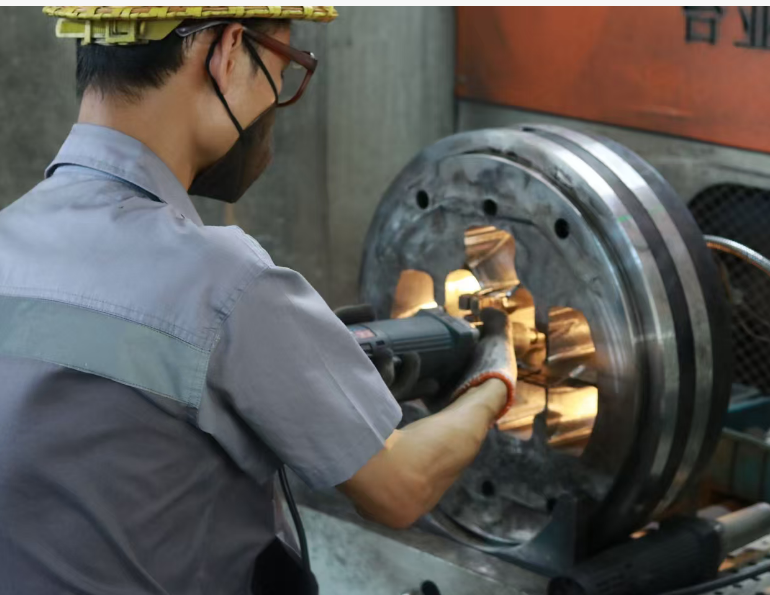
In the aluminum extrusion industry, the efficiency of aluminum extrusion die repair directly determines the production capacity, product quality, and overall operational costs of enterprises. Whether it is a solid die for producing solid aluminum profiles or a porthole die for hollow profiles, every minute of delay in aluminum extrusion die repair can lead to production line shutdowns, increased scrap rates, and unnecessary economic losses. For die correctors, mastering scientific and efficient repair methods is not only a professional requirement but also a key factor in helping enterprises gain a competitive advantage in the fierce market. This article will explore practical strategies to improve the efficiency of aluminum extrusion die repair, combining the principles of aluminium extrusion die design and on-site production experience, to help enterprises achieve cost reduction, efficiency improvement, and stable development.
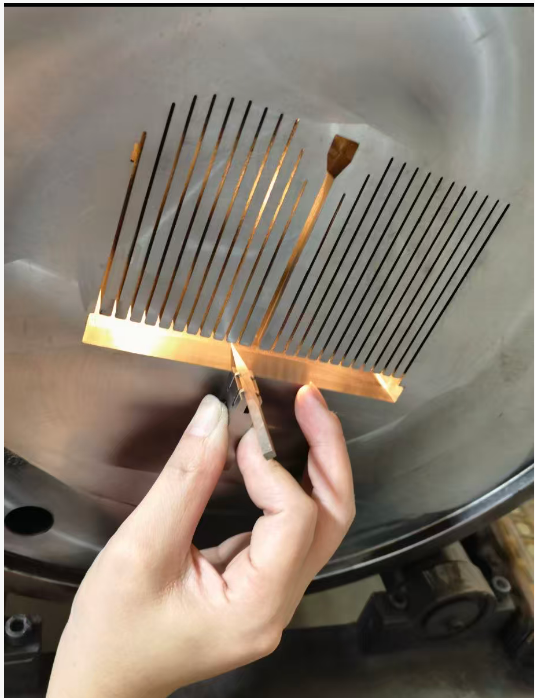
First and foremost, establishing a standardized aluminum extrusion die repair process and fault identification system is the fundamental premise to improve repair efficiency. When an aluminum extrusion die—whether a solid die or a porthole die—is returned from the production line to the repair workshop, the first step is to conduct a comprehensive and standardized inspection. Die correctors need to accurately identify common faults such as wear and tear of the working belt, dimensional deviation of the die hole for solid dies, and deformation of the bridge, wear of the welding chamber, and blockage of the die hole for porthole dies. By comparing with the original parameters of aluminium extrusion die design, a targeted repair plan can be formulated quickly, avoiding efficiency waste caused by blind disassembly and repeated debugging.
Moreover, establishing a complete aluminum extrusion die repair file is crucial for improving long-term repair efficiency. For each aluminum extrusion die, die correctors should record detailed information such as fault type, repair process, used tools, repair effect, and service life after repair. This file not only provides a reliable reference for die correctors when the same type of solid die or porthole die has similar faults in the future, enabling them to formulate repair plans in a short time, but also helps enterprises summarize repair experience, find out the weak links in aluminium extrusion die design and use, and optimize the overall production and repair process.
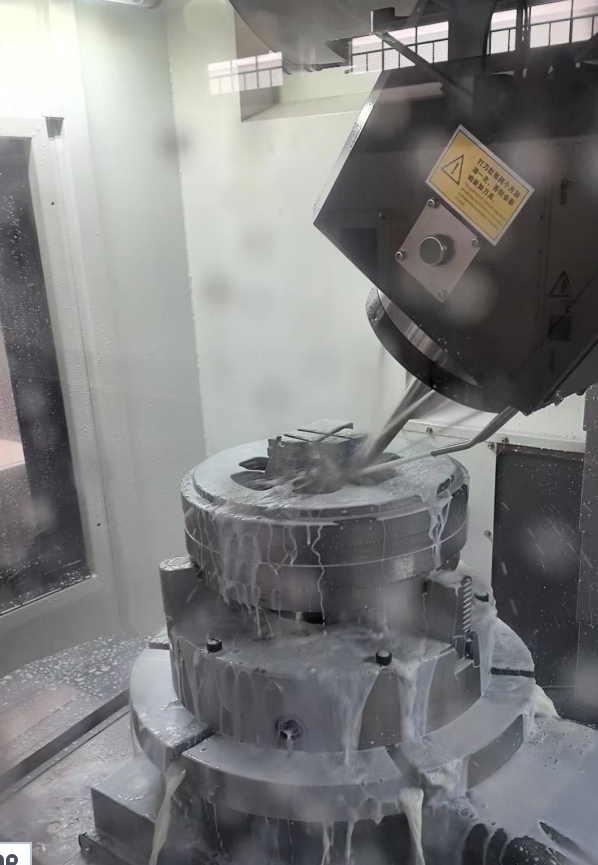
The second key strategy to improve the efficiency of aluminum extrusion die repair is to equip professional repair equipment and testing tools. Traditional manual repair methods are not only time-consuming but also difficult to guarantee repair accuracy, which often leads to repeated trial runs and low efficiency. For the repair of solid dies, such as polishing the working belt and correcting dimensional deviations, and the repair of porthole dies, such as straightening the bridge, finishing the die hole, and repairing the welding chamber, high-precision equipment is essential. For example, CNC grinders can achieve precise cutting and polishing according to the parameters of aluminium extrusion die design, laser testing instruments can quickly detect the deviation between the actual parameters of the aluminum extrusion die and the design parameters, and die correction platforms can ensure the flatness and perpendicularity of the die after repair.
The application of these professional equipment can greatly reduce the manual operation time of die correctors. A repair task that used to take several hours can be completed in tens of minutes with the help of equipment, while the repair accuracy is significantly improved. Reducing the number of trial runs is another important manifestation of improved repair efficiency—accurate repair based on professional equipment can ensure that the aluminum extrusion die passes the trial run at one time, avoiding the vicious cycle of repeated repair and trial run, thus saving a lot of time and raw material costs.
Thirdly, strengthening the professional ability of die correctors and integrating the knowledge of aluminium extrusion die design into the repair process is the core guarantee for improving repair efficiency. A qualified die corrector not only needs to master proficient repair techniques but also has a deep understanding of the core logic of aluminium extrusion die design. They should be clear about the design differences, force characteristics, and easy-wear parts between solid dies and porthole dies, so as to accurately judge the root cause of die faults and achieve "targeted repair."
Enterprises should regularly organize professional training for die correctors, covering the latest aluminium extrusion die design concepts, advanced repair technologies, and equipment operation skills. In addition, carrying out master-apprentice guidance and case discussion activities can help die correctors share efficient repair experience of solid dies and porthole dies, learn from each other's strengths, and improve the overall professional level of the team. At the same time, establishing a scientific performance appraisal system, incorporating repair efficiency, repair quality, and aluminum extrusion die service life into the assessment indicators, can effectively stimulate the work enthusiasm of die correctors and promote them to continuously improve repair efficiency.
Doing a good job in the pre-maintenance and source control of aluminum extrusion dies can reduce the frequency of repairs and indirectly improve the overall repair efficiency. In the aluminum extrusion production process, enterprises should strictly control the extrusion temperature, speed, and pressure according to the requirements of aluminium extrusion die design, so as to avoid excessive wear and deformation of the aluminum extrusion die caused by unreasonable process parameters. During the production interval, die correctors should clean and maintain the aluminum extrusion die in a timely manner, remove aluminum slag and oil stains in the die hole, and check the state of the working belt and bridge. If minor wear is found, it should be handled in time to eliminate small faults in the bud and avoid increasing the difficulty and time of repair due to the expansion of faults.
In addition, preparing spare aluminum extrusion dies for frequently used solid dies and porthole dies is also an effective way to ensure continuous production. When a die is returned for repair, the spare die can be put into use immediately, avoiding production line shutdowns caused by die repair. The repair workshop can complete the repair of the faulty die during the non-production peak period, realizing the efficient connection between production and repair, and maximizing the overall operation efficiency of the enterprise.
Optimizing the on-site management and resource allocation of the repair workshop is another important measure to improve the efficiency of aluminum extrusion die repair. A reasonable layout of the repair area can reduce the time wasted in moving aluminum extrusion dies and tools. For example, separate repair stations can be set up for solid dies and porthole dies, and special storage areas can be equipped for tools and accessories to avoid the waste of time caused by messy placement. Establishing a safe inventory of repair accessories, such as die inserts and wear-resistant sheets for working belts, can prevent the suspension of repair work due to the lack of accessories.
At the same time, adopting information management methods can effectively track the repair progress of each aluminum extrusion die, coordinate resources such as die correctors, equipment, and accessories, and ensure the seamless connection of each link in the repair process. For example, through the information system, die correctors can query the repair files of the aluminum extrusion die in real time, the workshop manager can grasp the repair progress and resource allocation in a timely manner, and timely adjust the work plan to avoid resource idleness or shortage.
In conclusion, improving the efficiency of aluminum extrusion die repair is a systematic project that requires the joint efforts of process standardization, equipment upgrading, personnel training, and pre-maintenance. By taking solid dies and porthole dies as the core repair objects, integrating the knowledge of aluminium extrusion die design into the whole repair process, and giving full play to the professional ability of die correctors, enterprises can not only shorten the repair time of a single aluminum extrusion die but also reduce the repair frequency, thus reducing production costs, improving product quality, and enhancing market competitiveness. In the current increasingly fierce market competition, only by continuously optimizing the aluminum extrusion die repair efficiency can enterprises stand firm in the industry and achieve sustainable development.